

Licensed Professional Counselor in PA, NJ, and DE
Dr. Lynn Rosenthal provides many different types of services to help meet your needs. An individualized plan will be developed for you. Your decision to participate in treatment is commendable. Treatment can help you grow in your relationships, in your career, and within yourself.
Marriage Counseling
Resolve Individual and Marital challenges with balanced & impartial counseling
Trauma Healing
Transform your life through trauma healing and strengthening your mind.
Anger Management
Master your emotions & experience inner peace through anger management.
SERVICES
What is counseling and psychotherapy?
The collaborative process of psychotherapy and counseling involves a skilled professional that assists people in identifying their values, their presenting problems, and their goals for the future. By identifying these factors this entails establishing healthier coping mechanisms while moving toward constructive life changes.
Each treatment modality is individualized, concentrating on each person’s own life experiences and modeling this individualized approach while creating safety, respect, and empathy.
Evidence-Based Treatment
Psychotherapy has been demonstrated to be the gold standard treatment for a number of mental health issues, including trauma, depression, and anxiety. Each perspective is evidence-based. Additionally, it can make people feel better about themselves, their relationships, and their general well-being.
THERAPY

Managing Stress & Anxiety

COUNSELLING
Couples Counseling

THERAPY
Professional Coaching Services

COUNSELING
Building Your Self-Confidence
SERVICES
Anxiety
Depression
Addiction
Self-Esteem
Psychotherapy
Stress
Relationships
Anger
Life Decision
Clinical Supervision
Pre-Marital
Couple Counseling
Individual Counseling
Trauma Therapy
Treatments Offered
Evidence-based treatments
Anger Management
Cognitive behavioral therapy
Brief Therapy
Benefits of Psychotherapy/Counseling
Personal & Professional Counseling
Navigating the inner world and outer world can be professional coaching or counseling. True success can intertwine both—for a fulfilled life and a thriving career. A balanced mind is the foundation.
Improved Relationships
By understanding your emotions and behaviors better, therapy can help you communicate more effectively and build stronger, more fulfilling relationships.
Increased Self-Awareness
Through therapy, you gain a deeper understanding of yourself, including your strengths, limitations, and motivations. This can lead to personal growth and more informed life choices and direction.
Better Mental Health
Therapy can help you identify negative thought patterns and develop coping strategies to improve your mental health and well-being.
SERVICES
Therapy Process

PHASE 1
Orientation

PHASE 2
Identification

PHASE 3
Exploration

PHASE 4
Resolution
SERVICES
Your Happiness is Important
The treatment provided by Dr. Lynn Rosenthal can help you when you’re having issues with your spouse, a result of a terrible experience, stuck in a pattern that is not fulfilling, and much more. The one-on-one trauma therapy and marriage counseling services you request helps you get past problems and develop new relationships.
Counseling for Individual
Individual Psychotherapy can help the person with specific individual problems, such as anxiety, depression, indecision, trauma history, breaking bad patterns that result in unfulfilled relationships, addiction problems, stress, self-esteem, assertiveness, etc.
Unmanageable anger can cause issues in relationships and/or at work
Gaining control over your emotional state is the goal of anger management. Couples counseling may also be required when a spouse or significant other is involved. For your convenience, both solo and group sessions are offered. Anger is a healthy emotion that may inspire and direct us. However, if it gets out of control, it can become an issue at work and at home.
Counseling for Couples
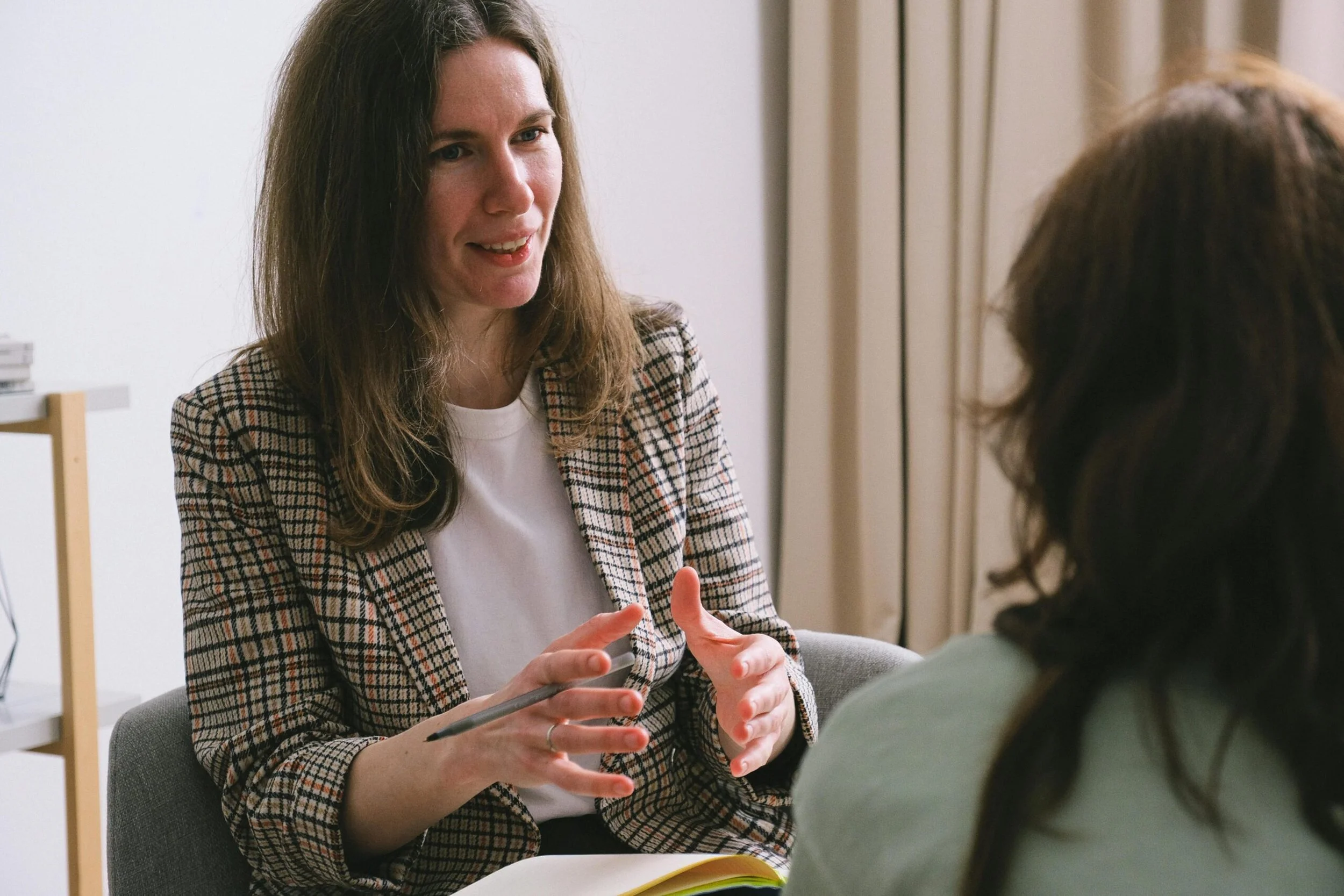
Dr. Lynn Rosenthal will act as your nonjudgmental professional, who works to figure out both party’s needs and wants. In addition, she works to help you communicate efficiently, increasing your level of understanding and harmony within your relationship.
Uncontrollable Anger Can Lead To Problems at Work or in Relationships
Anger management aims to help you gain control of your emotional state. In cases where a significant other or spouse is involved, couples counseling may also be necessary. Group and individual sessions are available, for your convenience.
Overcoming Traumatic Events-An Essential Tool
Overcoming trauma is one of the toughest challenges that an individual can face. Fortunately, Dr Lynn Rosenthal offers trauma therapy to teach you how to better cope with your conditions. I Being a trauma-informed therapist can help you overcome the symptoms of PTSD as well as cope with life with a new perspective.
Manage Your Anger Effectively
Anger can be a useful emotion, something that motivates and guides us. However, like so many other things, it can be a problem if taken to the extreme.
THERAPY SESSIONS
We often tend to people who want to experience more satisfaction, joy, resiliency in their lives. Other times people feel down, unexcited about life, and just want to stop feeling that way. General areas are addressed.
Couples Therapy
Emotional Intimacy
Connectedness
Affairs and Infidelity
Separation and Divorce
Grief and Mourning

Connect with Us
We’d love to hear from you. Whether you have a question about our services, need support, or just want to talk business, our team is ready to listen. Complete the form and we’ll get back to you within one business day.