

Couples Therapy and Marriage Counseling in New Jersey
COUPLES THERAPY & MARRIAGE CPUNSELING IN NEW JERSEY
Every relationship has its ups and downs. Over time, the daily pressures of life—such as work, family, and finances—can erode the strong connection you once shared with your partner. Easy conversations become strained, minor disagreements escalate into major conflicts, and a quiet distance can develop between you. If you and your partner are feeling disconnected, stuck in a cycle of negativity, or struggling to communicate effectively, seeking professional help is a sign of strength, not weakness.
Couples Therapy NJ and marriage counseling in New Jersey provide a safe, confidential, and structured environment where partners can address their challenges and begin the healing process together. A skilled therapist acts as a neutral third party, helping you and your partner navigate difficult conversations, identify destructive patterns, and develop the tools needed to build a healthier, more resilient relationship
Finding Your Way Back to Each Other: Couples Therapy and Marriage Counseling in New Jerseye to Couples Therapy in New Jersey
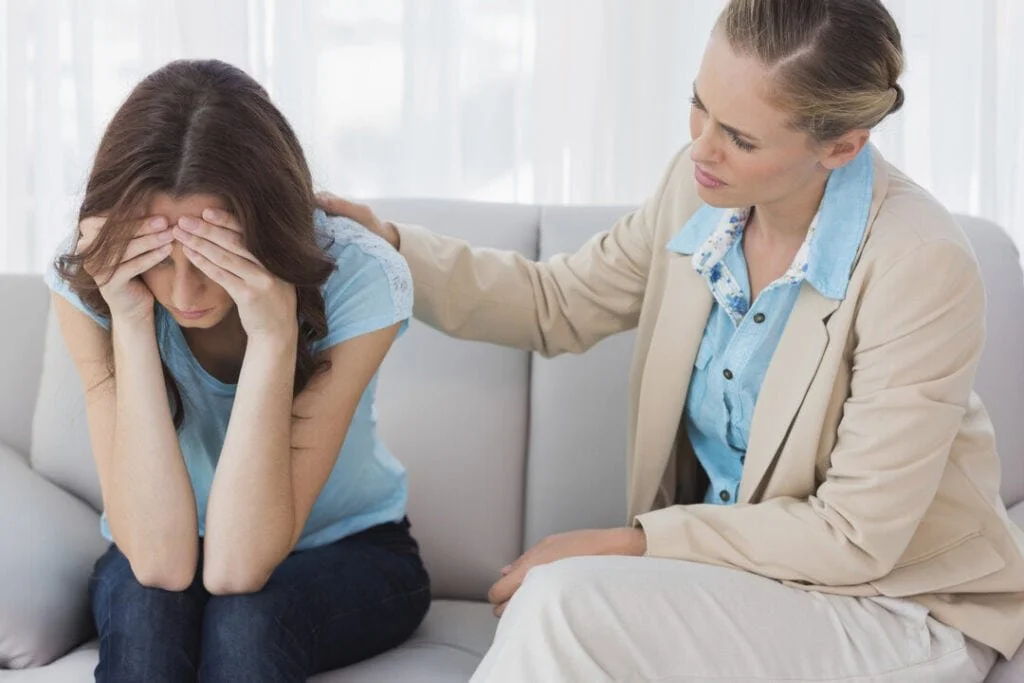

What is Couples Therapy?
Couples therapy is not about “fixing” one person; it’s about understanding the dynamic between you both. The goal is to help you see how your individual histories, emotions, and behaviors contribute to the current state of your relationship. Through this process, you learn to:
Improve Communication:Move beyond surface-level arguments and learn to express your true feelings and needs without blame or defensiveness. A therapist can teach you techniques like active listening and “I” statements to ensure both partners feel heard and understood.
Resolve Conflict:Every couple argues, but the difference between healthy and unhealthy relationships lies in how conflicts are managed. A therapist can help you identify the root causes of recurring fights and develop strategies to work through disagreements constructively, turning them into opportunities for growth.
Rebuild Intimacy and Trust:Infidelity, dishonesty, or a general loss of connection can severely damage a relationship. Therapy provides a pathway to rebuild trust and rekindle the emotional and physical intimacy that may have faded.
Navigate Major Life Transitions:Significant changes like having a baby, a job loss, or becoming empty nesters can put immense stress on a relationship. Counseling can help you navigate these transitions as a team, strengthening your bond rather than letting it fray.
The Process of Marriage Counseling
When you begin Marriage/Couples Counseling New Jersey, your first few sessions will involve a thorough assessment. Your therapist will get to know you as individuals and as a couple, understanding your history, your current concerns, and your goals for therapy. This initial stage is crucial for building a foundation of trust and safety.
Over the course of therapy, you will work together on a “road map” for your relationship. This isn’t just about talking about problems; it’s about learning and practising new skills. You may receive “homework” assignments, such as communication exercises or “date nights,” to apply what you’ve learned in the real world. The duration of therapy varies for each couple, but many report significant improvements in just a few months as they commit to the process.
“Ultimately, couples therapy in NJ is a collaborative effort between both partners and the therapist.” Your therapist is a guide, but the real work—and the lasting change—comes from the commitment and effort you and your partner put into the process. By investing in your relationship, you are creating a stronger, more connected future for both of you.
Frequently Asked Questions (FAQ) about Individual Therap
Here are some common questions about Individual Therapy:
-
This is a very common concern. You can start by explaining that therapy is not about assigning blame. Frame it as a way to work together to improve your relationship for the benefit of both of you. You might also suggest an initial consultation session, which is a low-pressure way to meet the therapist and see if it feels like a good fit. Even attending therapy on your own can be beneficial, as you can learn skills to improve the relationship dynamic from your perspective..
-
The length of therapy varies widely depending on the issues at hand and the goals of the couple. Some couples may find resolution in as few as 6-10 sessions, while others may benefit from longer-term support. The most important factor is the couple’s commitment to the process.
-
While no single sign is definitive, some major indicators include a consistent inability to resolve conflicts, feeling emotionally distant or lonely even when you’re together, a breakdown in trust, or a feeling of hopelessness about the future of the relationship. Waiting too long often leads to a greater distance, so it is best to seek help when you first feel the need.
-
Yes, it can be highly effective. Research shows that many couples experience significant improvements in their relationship satisfaction after engaging in couples therapy. While a therapist can’t “save” a relationship on their own, they provide the guidance and tools that empower a couple to save it themselves.
-
An experienced objective couples therapist is a neutral party. Their role is not to judge or blame, but to create a balanced, safe space for both partners to share their perspectives. The focus is on the relationship dynamic as a whole, not on who is “right” or “wrong.”
Start Your Healing Journey Today
You If you're ready to rebuild your relationship and rediscover connection, reach out to us at Psychotherapist4You. We provide inclusive, goal-oriented Couples Therapy and Marriage Counseling in New Jersey and are here to walk with you every step of the way.
Schedule a confidential consultation and take the first step toward healing—together.
Contact Information: drlynnrosenthal@gmail.com | 215-922-7455