

Stress Symptoms
STRESS SYMPTOMS
Understanding Stress Symptoms: A Comprehensive Guide
Stress is an undeniable part of modern life. While short bursts of stress can be motivating, chronic or long-term stress can significantly impact your mental and physical well-being. Understanding the signs and symptoms of stress is the first step toward managing it effectively and leading a healthier life.
At its core, stress is your body’s natural response to a perceived demand or threat. When you encounter a stressful situation, your body releases hormones like adrenaline and cortisol, preparing you to “fight or flight.” This response increases your heart rate, increases your breathing, and boosts your blood pressure. While this mechanism is vital for survival in dangerous situations, prolonged activation due to daily pressures can have detrimental effects.
What is Stress?

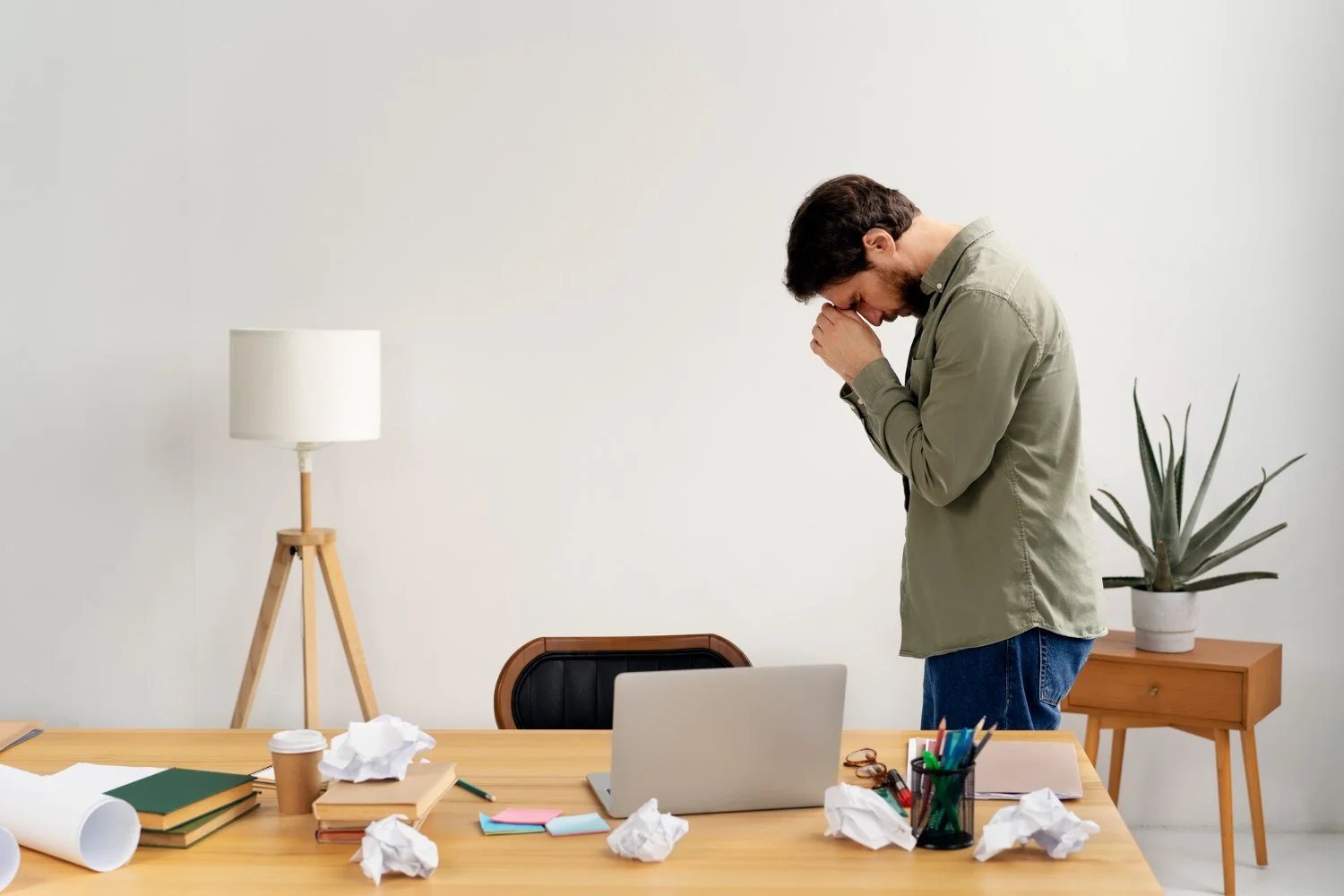
The Many Faces of Stress: Symptoms to Watch For
Stress can manifest in various ways, affecting your emotions, thoughts, physical health, and behavior. Recognizing these signs is crucial for early intervention.
Emotional Stress Symptoms
Emotional responses to stress can vary widely but often include:
Irritability or grumpiness
Anxiety and restlessness
Feelings of sadness or feeling overwhelmed
Difficulty relaxing
Feeling constantly worried or on edge
Physical Symptoms of Stress
Stress has a profound impact on the body, leading to a range of physical complaints. These can include:
Headaches and migraines
Dizziness
Muscle tension or pain, especially in the neck, shoulders, back, and leg cramps
Chest pain or a racing heart
Fatigue and low energy levels
Digestive issues like stomach upset, diarrhea, or constipation
Weakened immune system, leading to more frequent colds or infections
Sleep disturbances, such as insomnia or restless sleep
Cognitive Symptoms of Stress
Stress doesn’t just affect your body and emotions; it can also impact your thinking:
● Trouble concentrating
● Difficulty remembering things
● Problems with decision-making
● Constant worrying or overthinking
● Negative thoughts or pessimism
Behavioral Symptoms of Stress
How you act can also be a strong indicator of stress:
Changes in eating habits (eating too much or too little)
Procrastination or neglecting responsibilities
Social withdrawal and isolation
Increased use of alcohol, drugs, or tobacco
Nervous habits like nail-biting or pacing
Symptoms of Stress in Women
Women may experience stress symptoms differently or more intensely due to hormonal fluctuations. Common symptoms include:
Menstrual cycle irregularities (missed periods, more painful periods)
Increased PMS symptoms
Fertility issues
Changes in sex drive
Demands on child care and home management
Clearer thinking and improved concentration
Stronger immune system
Stress Symptoms in Men
Men might exhibit stress symptoms that are sometimes overlooked or attributed to other causes:
Irritability or anger
Difficulty sleeping
Headaches
High blood pressure
Digestive problems
Changes in sex drive
Lack of productivity and creative thinking at work
Chronic Stress Symptoms
When stress is prolonged and severe, it becomes chronic stress, which can lead to more serious health issues. Chronic stress symptoms include:
Persistent fatigue and burnout
Increased risk of cardiovascular diseases like heart attack and stroke
Higher susceptibility to anxiety disorders and depression
Worsening of existing health conditions
Digestive disorders like irritable bowel syndrome (IBS)
Weight gain or loss
Causes of Stress
Stressors are highly individual, but common causes of stress include:
Work-related pressure: Demanding jobs, long hours, job insecurity.
Financial difficulties: Debt, unemployment, managing expenses.
Relationship problems: Conflicts with family, friends, or partners.
Major life changes: Moving, marriage, divorce, birth of a child, bereavement.
Health issues: Chronic illness, caring for a sick loved one.
Environmental factors: Noise pollution, unsafe living conditions.
Unrealistic expectations: Self-imposed pressure to be perfect.
Symptoms of Stress Leaving the Body
As you effectively manage and reduce stress, you’ll start to notice positive changes. These “symptoms” of stress leaving the body include:
Improved sleep quality
Reduced muscle tension and headaches
Better digestion
Increased energy levels
Enhanced mood and reduced irritability
Clearer thinking and improved concentration
Stronger immune system
Frequently Asked Questions (FAQ) about Individual Therap
Here are some common questions about Individual Therapy:
-
Yes, absolutely. Chronic stress can weaken your immune system, making you more susceptible to illnesses. It can also contribute to the development or worsening of conditions like heart disease, high blood pressure, diabetes, obesity, and various digestive issues.
-
Five common warning signs of stress include:
Persistent fatigue: Feeling constantly tired, even after rest.
Increased irritability or anxiety: Easily agitated, restless, or worried.
Sleep disturbances: Difficulty falling or staying asleep, or restless sleep.
Physical aches and pains: Frequent headaches, muscle tension, or stomach problems.
Changes in eating habits: Eating significantly more or less than usual.
-
While completely eliminating stress might not be possible, you can learn to manage it effectively. Strategies include:
Identify stressors: Understand what triggers your stress.
Practice relaxation techniques: Deep breathing, meditation, yoga.
Regular physical activity: Exercise is a great stress reliever.
Maintain a healthy diet: Nutritious food supports overall well-being.
Ensure adequate sleep: Prioritize 7-9 hours of quality sleep.
Set boundaries: Learn to say no and manage your time effectively.
Connect with others: Spend time with supportive friends and family.
Seek professional help: If stress feels overwhelming, a therapist can provide coping strategies.
-
Stress becomes “too much” when it starts to negatively impact your daily life, relationships, work, or physical and mental health. If your stress is chronic, overwhelming, and you find it difficult to cope, or if it leads to symptoms like anxiety, depression, or severe physical discomfort, it’s a sign that you have too much stress and should seek support.
This content provides a comprehensive overview of stress symptoms, incorporating all the elements you requested. The information is drawn from a reliable source to ensure accuracy and relevance. For more in-depth information, you can refer to the Alternative Psychotherapy Services and speak to a Licensed Professional Counselor for assessment and treatment.
Contact Dr. Lynn Rosenthal for counseling treatments to help you address issues that prevent you from living life to its fullest.